

Blog
What Financial Reports Should a Business Have So They Can Manage Their Finances?
To manage finances effectively, every business should regularly prepare and review a core set of financial reports. These reports provide visibility into profitability, cash flow, and overall financial health. Here are the key financial reports your business should have:
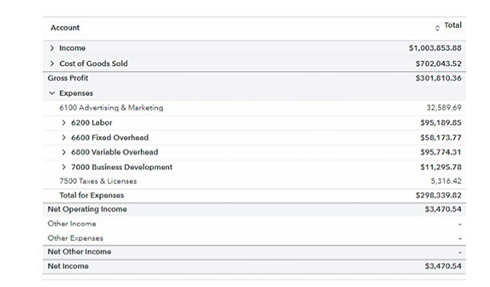
1. Profit & Loss Statement (Income Statement)
Purpose: Shows revenues, costs, and profits over a specific period (monthly, quarterly, yearly).
Use: Measures overall profitability of the business. Helps analyze and identify both revenue and expense trends. Tracks business performance over time. Ultimately, this is used to support strategic decision-making.
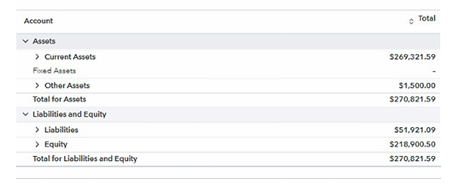
2. Balance Sheet
Purpose: Displays assets, liabilities, and owner’s equity at a specific point in time.
Use: Shows what the business owns and owes, helping assess financial stability and solvency.
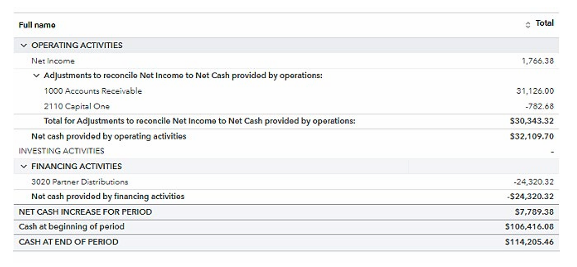
3. Cash Flow Statement
Purpose: Tracks inflows and outflows of cash from operating, investing, and financing activities.
Use: Shows movement of cash from different sources. Used to support business decisions. Helps identify financial risks.
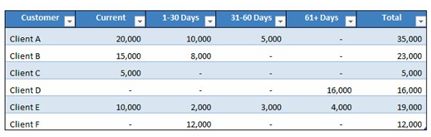
4. Accounts Receivable Aging Report
Purpose: Lists unpaid customer invoices by age.
Use: Helps manage collections and cash flow.
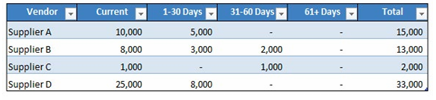
5. Accounts Payable Aging Report
Purpose: Lists what the business owes to vendors by due date.
Use: Supports timely payments and prevents late fees.
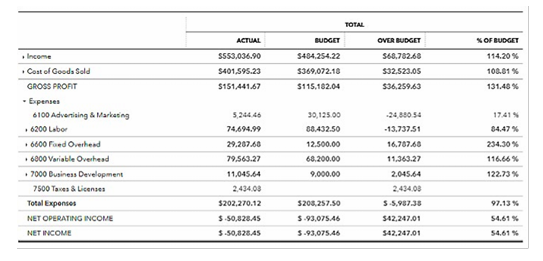
6. Budget vs. Actual Report
Purpose: Compares actual financial results to the business’s budget.
Use: Identifies areas where spending or income deviates from expectations. Overall, used as a guide for objectives and goals.
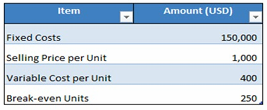
7. Break-Even Analysis
Purpose: Shows the sales volume needed to cover costs.
Use: Identifies the ongoing burn rate and total monthly fixed costs.
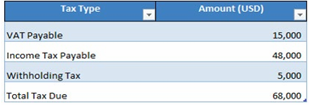
8. Tax Liability Report
Purpose: Outlines both current and projected tax obligations, including sales, payroll, and income taxes.
Use: Ensures compliance and avoids penalties.
Sample Reports (Basic):
Profit & Loss Statement
Balance Sheet
Cash Flow Statement
Accounts Receivable Aging Report
Accounts Payable Aging Report
Budget vs Actual Report
Break-even Analysis
Tax Liability Report
| Report | Use |
| Profit & Loss | Shows revenues, costs, and profits over a specific period |
| Balance Sheet | Displays assets, liabilities, and owner’s equity at a specific point in time |
| Cash Flow Statement | Tracks inflows and outflows of cash from operating, investing, and financing activities |
| Accounts Receivable Aging | Lists unpaid customer invoices by age |
| Accounts Payable Aging | Lists what the business owes to vendors by due date |
| Budget vs Actual | Compares actual financial results to the business’s budget |
| Break-Even Analysis | Shows the sales volume needed to cover costs. |
| Tax Liability Report | Outlines both current and projected tax obligations, including sales, payroll, and income taxes |